Facebook
 X
 Pinterest
 Copy Link

Your rent may be your largest monthly bill, and paying it on time takes planning. If buying a home is your next goal, you may expect those payments to strengthen your credit history. Rent reporting can help make that happen, but first you need to know whether your payments reach the credit bureaus and whether your lender can use them.
Why Rent Doesn’t Always Build Credit
Many landlords don’t report on-time rent payments to credit bureaus. You could pay consistently for years without those payments appearing in your credit history. That can leave lenders with less information to evaluate when you apply for a mortgage.
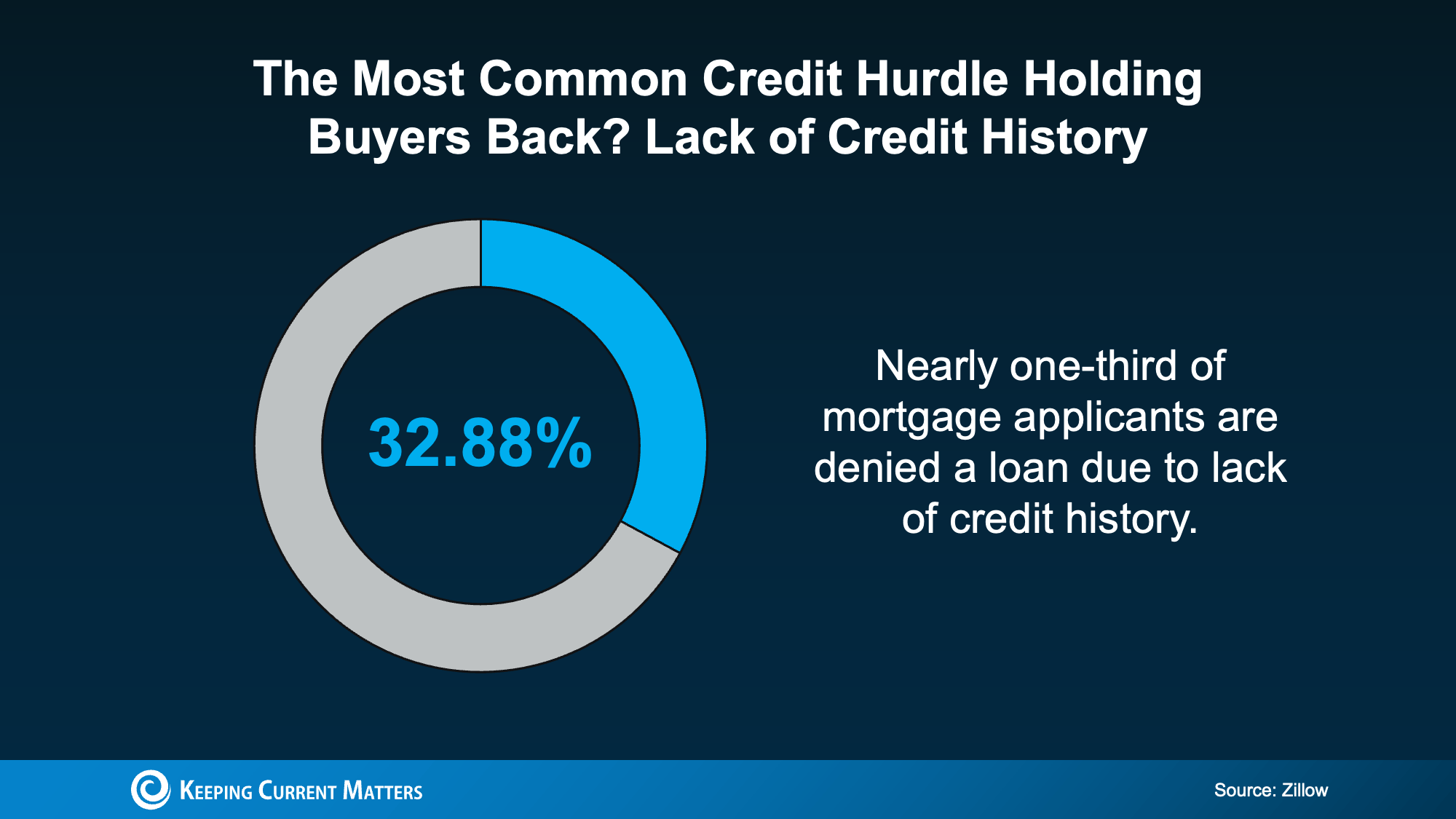
Credit history is a common obstacle on the way to homeownership. In Zillow’s analysis of 2025 Home Mortgage Disclosure Act data, it was cited in 32.88% of denials for conventional loans to buy a primary home, the most frequently cited reason in that group.
That percentage describes denied applications. The category covers credit history broadly and doesn’t establish how many applicants were denied solely because they had too little history.
How Rent Reporting Can Support Homebuying
Making regular payments visible can help lenders see more of your financial history. Michael Sherman, general manager and senior vice president of Zillow Rentals, explains:
“Affordability is the headline in housing right now, and access to financing is a very important part of the story. Credit history is a barrier standing in the way of too many potential buyers. Rent reporting is a direct way to address that.”
Some credit models can consider reported rent and certain utility payments. As of September 9, 2026, FHFA says all approved Fannie Mae and Freddie Mac lenders may use VantageScore 4.0 for eligible loans sold to those companies. Lenders can still use Classic FICO, so availability does not mean every lender has switched.
A VantageScore study published November 5, 2025, using data from more than 600,000 renters, estimated that nearly four million U.S. renters could reach a VantageScore 4.0 of at least 620 when positive rental data was included. That was the study’s mortgage-eligibility benchmark, not a promise of approval. Lenders still review the full application and applicable loan requirements.
How To Get Started With Rent Reporting
Reporting is not automatic. These steps, informed by myFICO, Experian, and the Consumer Financial Protection Bureau, can help you decide what to do next.
- Ask your landlord or property manager about reporting. Find out whether payments are already reported and how to enroll if an opt-in program is available.
- Compare services before signing up. If your landlord does not offer reporting, check independent services. Review fees, which bureaus receive the data, and whether late or missed payments are included. Some services may also report eligible utility payments.
- Review your credit reports for errors. If something is incorrect, follow the CFPB’s dispute instructions and contact both the credit bureau and the company that supplied the information. Corrections can help, but timing and your results can vary.
- Keep everyday credit habits steady. Pay bills on time, keep credit card balances low relative to your limits, and avoid several unnecessary credit applications close together.
- Think carefully before closing accounts. Keeping an older, well-managed credit card open may help your credit profile. Fees, unfavorable terms, or overspending concerns may make closing it reasonable. Ask a lender how a change could affect an upcoming application.
- Discuss other ways to build history. A secured credit card typically requires a deposit. Becoming an authorized user on a responsibly managed account may also help if the issuer reports it. Review costs and risks, and avoid opening accounts simply to add variety.
Make a Plan Before Applying for a Mortgage
You don’t need an exact moving date to start a conversation with a loan officer. Ask which credit model the lender uses, whether your reported rent can be considered, and what steps fit your situation. Before scheduling, confirm any consultation fees you might be charged.
Building credit takes time, and a higher score alone doesn’t always determine whether a home fits your budget. A lender can help you understand your financing options and a realistic application timeline.
When you’re ready to connect that plan to a home search, contact a local CENTURY 21 Affiliated agent. We can help you explore available homes and plan your next steps around your budget and timing.