Facebook
 X
X
 Pinterest
 Copy Link

Waiting for mortgage rates to drop can feel like the safest way to maximize affordability. But you could postpone your home search for a year only to find rates have barely changed. That’s why forecasts should inform your plan rather than wishful thinking.
A 2026 Clever Real Estate and Best Interest Financial survey cited by National Mortgage Professional found that 42% of respondents expected average mortgage rates below 5% this year. Unfortunately, the latest expert forecasts aren’t so optimistic. That doesn’t mean you have to buy right away, but it does mean weighing your options based on your budget and timeline.
What Do Mortgage Rate Forecasts Predict?
The forecast chart below combines Freddie Mac data with projections from Fannie Mae, the Mortgage Bankers Association, and Wells Fargo. Those projections keep average 30-year fixed rates around 6.2% to 6.5% through the second quarter of 2027. Altogether, the current numbers aren’t pointing to a dramatic short-term drop.
Mortgage rates respond to inflation, economic growth, Treasury yields, and Federal Reserve policy. Because those inputs often shift, no forecast can identify the exact rate you’ll receive or when the market will move.
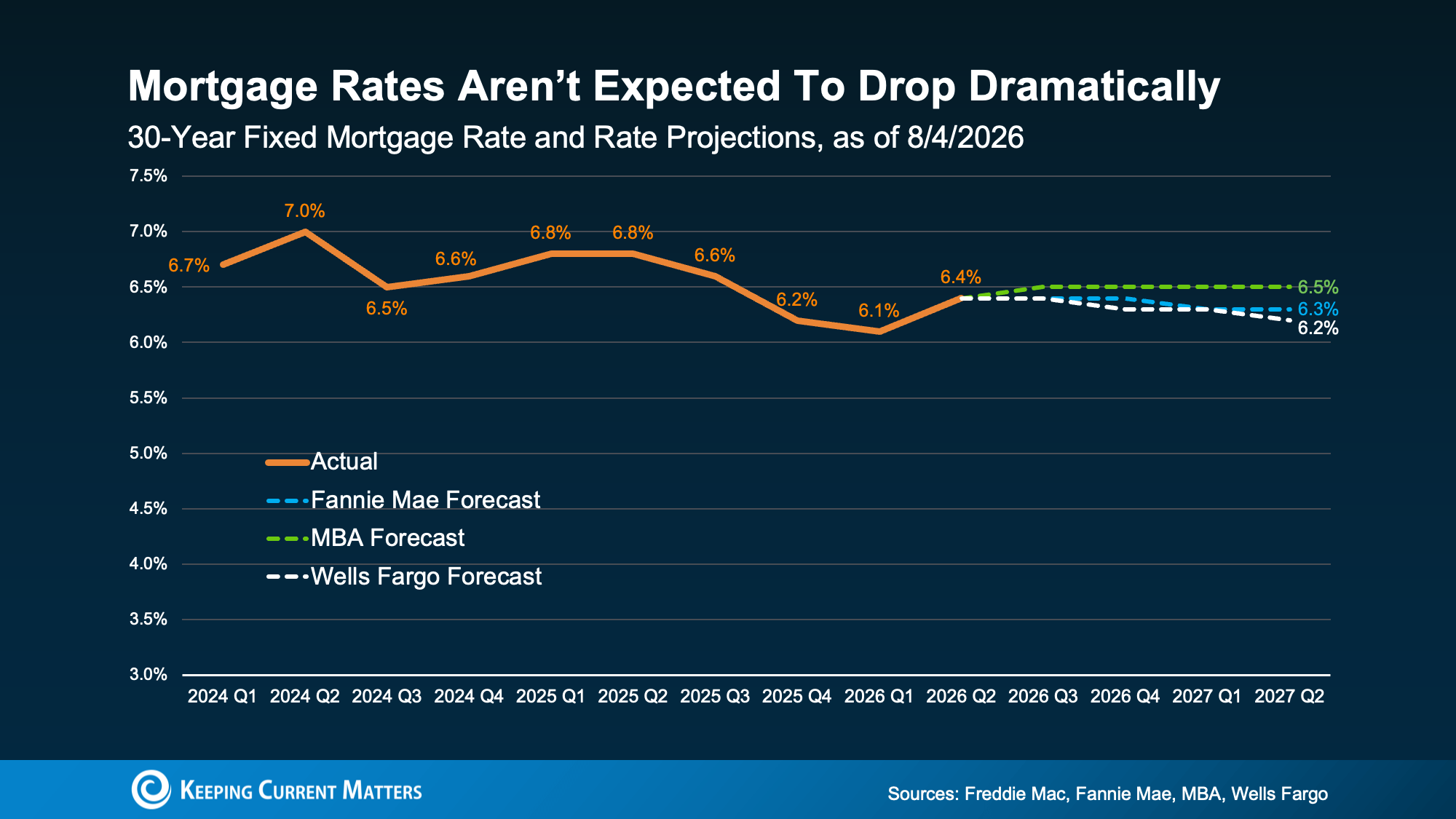
Forecasts from Fannie Mae, MBA, and Wells Fargo cluster in the low-to-mid 6% range through Q2 2027. Sources: Freddie Mac, Fannie Mae, MBA, and Wells Fargo.
Why Lower Mortgage Rates May Take Time
Inflation Remains a Headwind
Inflation is one reason a major rate decline is hard to predict reliably. The core PCE chart shows inflation rising from recent lows through May 2026, while the U.S. Bureau of Economic Analysis reported 3.3% year-over-year core inflation in June. A single month doesn’t establish a trend, but inflation remains important to the bond market and mortgage pricing.
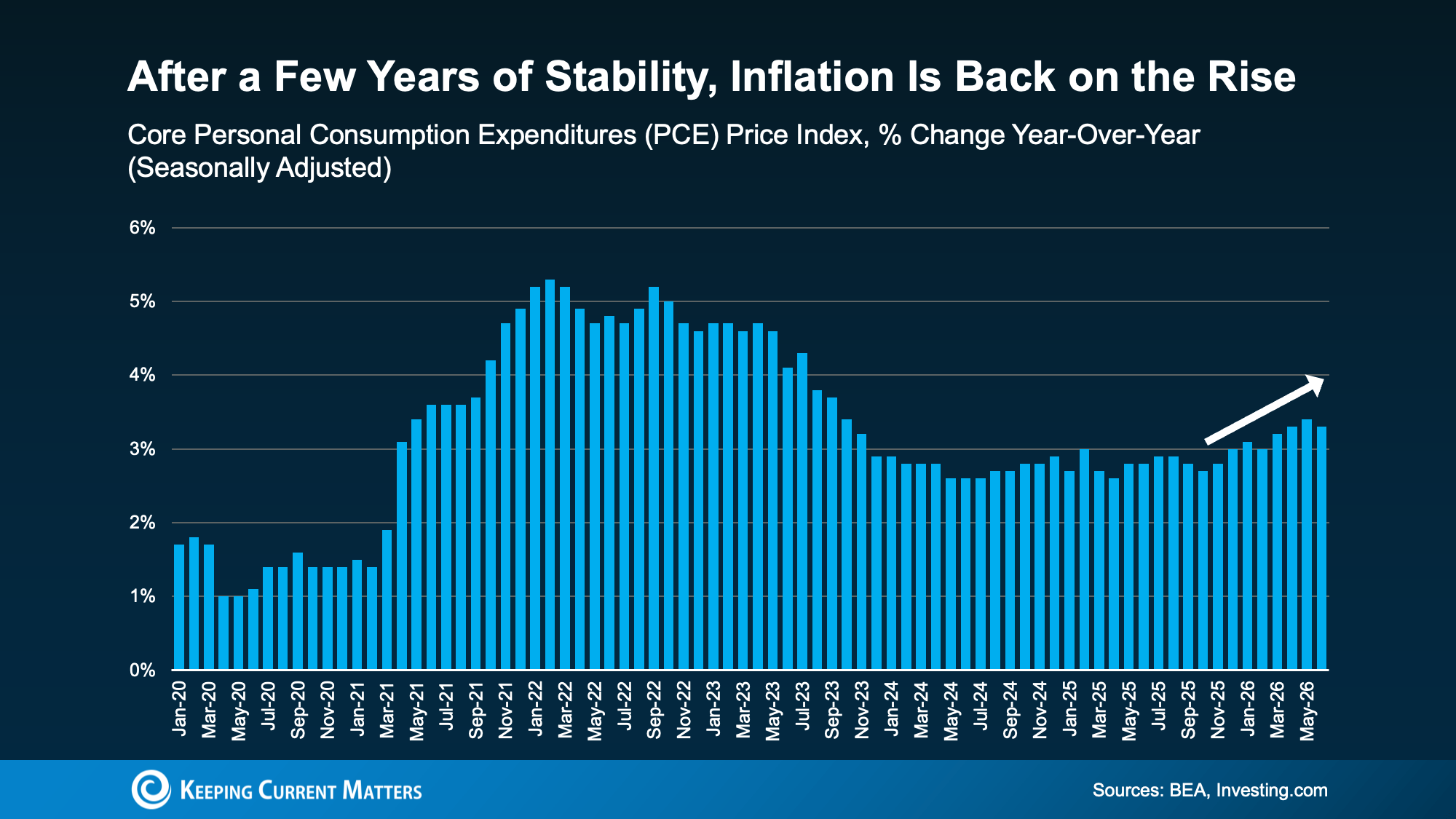
Core PCE inflation rose from recent lows before reaching about 3.3% in May 2026. Sources: U.S. Bureau of Economic Analysis and Investing.com.
Today’s Rates Are Within a Common Historical Range
Today’s rates feel high compared to pandemic-era lows. But Freddie Mac’s data shows 30-year rates have spent much of the time since 1971 between about 5% and 10%. That doesn’t make a 6% mortgage inexpensive, but it does highlight how unusual pandemic-era rates were historically, and why waiting for rates that low again could be risky.
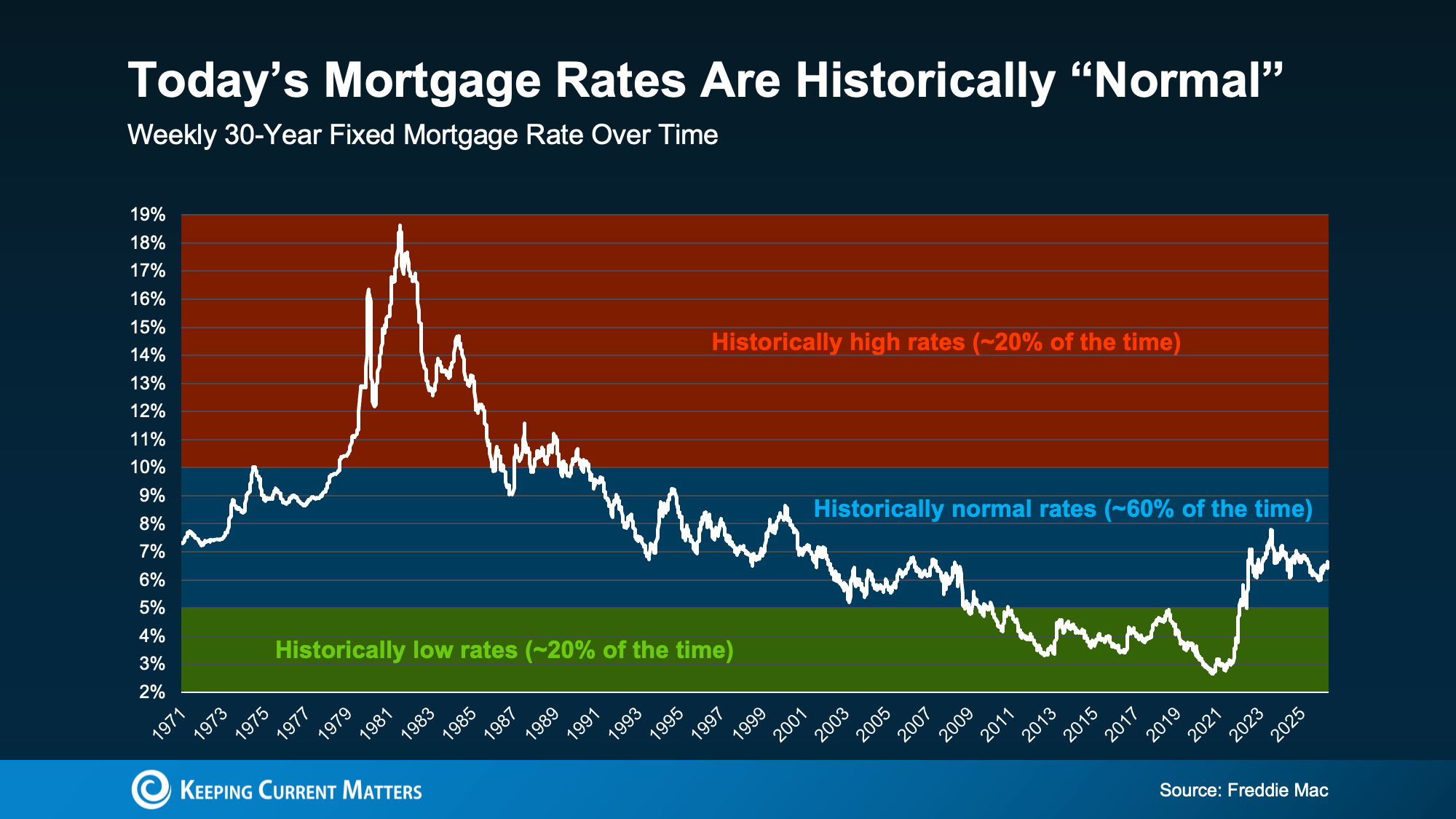
Freddie Mac data shows the 5% to 10% range has been common since 1971. Source: Freddie Mac.
Four Alternatives to Waiting for Mortgage Rates To Drop
Waiting isn’t your only way to address the problem of affordability. Ask a qualified lender to compare the following options using the same purchase price, down payment, fees, and time horizon.
- Check new-construction incentives. Some builders offer incentives that may include price reductions, closing-cost assistance, mortgage rate buydowns, or upgrades. Offers vary by home and builder, so compare the full purchase price, monthly payment, fees, and long-term costs.
- Ask about an adjustable-rate mortgage. An ARM may begin with a lower rate than a fixed-rate mortgage, but the rate and payment can rise after the initial period. Review the adjustment schedule, index, margin, caps, and highest possible payment. Do not assume you can sell or refinance before the first adjustment.
- Compare buydowns and discount points. Paying discount points can lower your rate for more cash at closing. A temporary buydown may reduce the payment only at first. Ask the lender to show the break-even point, total cost over several timeframes, who funds it, and the payment when the temporary period ends.
- Explore an assumable mortgage. Some FHA- or VA-backed loans may allow a qualified buyer to take over the seller’s existing interest rate, subject to approval. The buyer may also need cash or separate financing for the difference between the loan balance and purchase price. Availability and processing times vary.
Should You Buy Now or Wait?
Waiting can be reasonable if a down payment today would strain your budget, your plans are likely to change, or available homes in your market aren’t what you’re looking for. Buying sooner can fit if you need to move and can comfortably afford the payment without depending on a future refinancing of your mortgage.
Ask a real estate agent to review local inventory and negotiation opportunities, and ask a qualified lender to price several loan structures. Compare the monthly payment, cash to close, break-even time, and potential future payment – not only the headline interest rate.
For more preparation guidance, explore CENTURY 21 Affiliated’s home buying advice, search current listings, or connect with a local agent when you are ready to compare your timing and options.
Bottom Line
No forecast can identify the perfect day to buy. If a move matters to you, compare what you can comfortably afford now with the cost and tradeoffs of waiting. A local agent can explain your local housing market, and a qualified lender can model your financing options.
Connect with a local CENTURY 21 Affiliated real estate agent to review current inventory, local negotiating conditions, and a home search that fits your budget and timeline.