Facebook
 X
X
 Pinterest
 Copy Link

You’re working out what a home might cost each month, and the rate you find online makes the payment look higher than you expected. Online mortgage rates are useful starting points, but a lender’s quote can be higher or lower depending on your finances and final loan terms.
Before delaying your move based on an online quote, ask a loan officer to help you compare your options with your budget. You might be in a better position to buy than you think.
Why Online Mortgage Rates Can Differ From Your Quote
Headlines often report a market benchmark, while lender advertisements use specific borrower and loan assumptions. Neither can account for every detail of your situation, and rates can change throughout the day.
For example, on September 14, 2026, Mortgage News Daily reported that its average top-tier 30-year fixed rate had reached its highest level since January 2025. This is a national snapshot and by no means describes every market in the country.
What Shapes Your Mortgage Offer
A lender reviews your finances and the loan you’re considering. There are four major factors that influence your rate:
- Credit score. Payment history, including late payments, credit utilization (the share of available credit you use), and the length of your credit history help shape your score. Stronger credit may qualify you for a lower rate.
- Debt-to-income ratio. DTI is monthly debt payments divided by monthly income before taxes, expressed as a percentage. A higher ratio can limit loan options and may affect pricing; lender and program requirements vary.
- Down payment and loan-to-value ratio. Your down payment is your upfront share of the price. LTV compares the loan amount with the property’s value, typically the lower of the price or appraisal for a purchase. It can affect pricing and mortgage insurance.
- Loan program and term. Rates vary by loan type and repayment period. Your loan officer can explain which options you qualify for and how they fit your goals.
How Buydowns and Seller Credits Affect Costs
Discount points let you pay an upfront fee for a lower interest rate and payment. A seller, builder, or another eligible party may help cover that cost. Ask how long the monthly savings would take to offset the fee. A temporary buydown subsidizes early payments without changing the loan’s contractual rate. Budget for the full payment when the subsidy ends.
Seller concessions may cover thousands of dollars in eligible closing costs, subject to loan limits. That can preserve your own cash for a larger down payment, debt repayment, or other adjustments. Ask your lender how those choices affect qualification and pricing. Seller credits are restricted funds, not unrestricted cash or a substitute for your required down payment.
Start With a Lender Review and Preapproval
A conversation with a lender can clarify your borrowing range, possible rate, and readiness to buy. Prequalification often starts with self-reported information; preapproval usually involves more verification and gives a clearer picture of your options.
Lenders sometimes use the terms “prequalification” and “preapproval” differently. Ask what’s actually been reviewed and what specifically has been determined in terms of your loan eligibility. This comparison shows how the two are most commonly used:
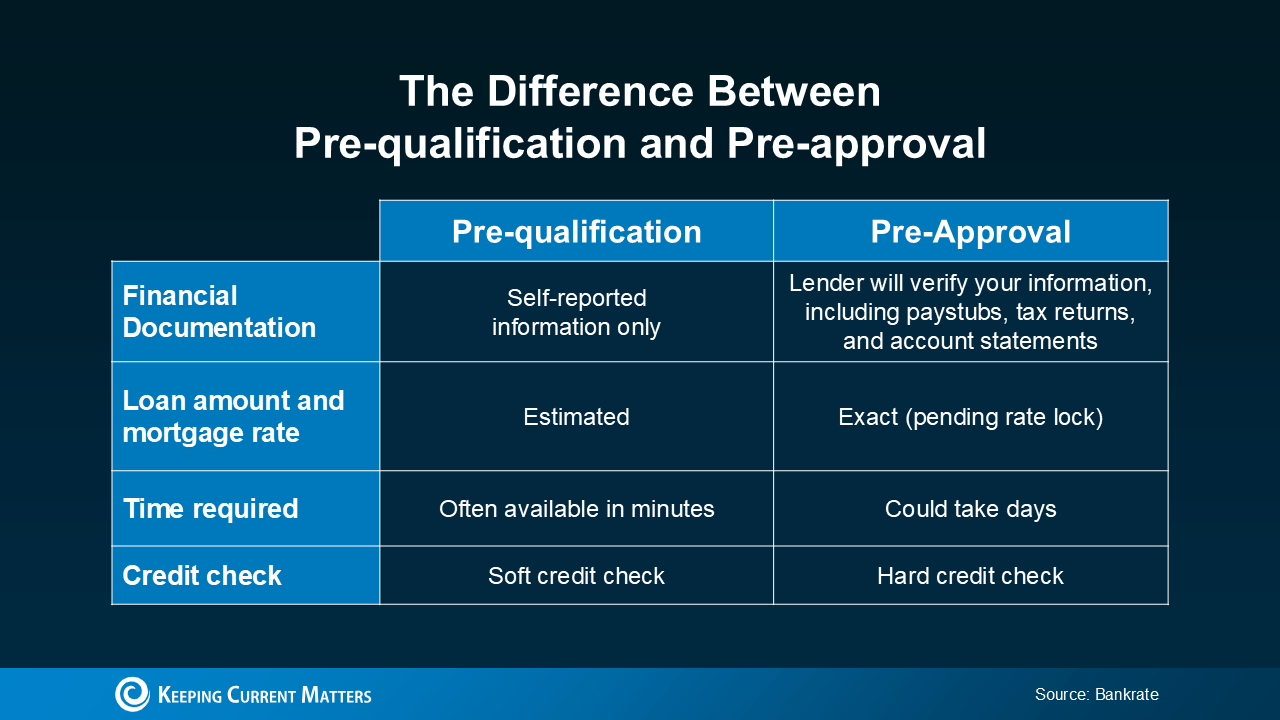
Common practices; requirements, timing, and credit inquiries vary by lender. Sources: Bankrate and CFPB.
Remember that neither process guarantees you’ll receive a loan. A rate lock is separate and generally protects your quoted rate until its deadline, provided you meet the lock conditions and your application doesn’t change. Always make sure to confirm the lock’s expiration date and any possible fees.
When you receive Loan Estimates, compare the same loan type, term, and down payment across lenders. Review points, fees, cash to close, and monthly costs alongside the interest rate. Lastly, an annual percentage rate, or APR, includes certain loan charges as well as interest.
Questions To Bring to the Conversation
Ask your lender which documents you’ll need to gather, then discuss:
- How would waiting 3, 6, or 12 months change my savings, borrowing options, and costs?
- How would higher or lower rates affect my payment and budget?
- How might buying now versus waiting affect equity and long-term costs? Future home values are uncertain.
- Could homeownership offer tax advantages in my situation? Direct this question to a qualified tax professional.
You may already be ready to buy, or you may need time to prepare to improve your rate. A personalized lender review can help you make an informed decision based on your own situation. Connect with a local CENTURY 21 Affiliated agent to plan your home search around a price range and payment you’re comfortable with.