Facebook
 X
X
 Pinterest
 Copy Link

The U.S. housing market is currently split into four different types: cash buyers, buyers using financing, homeowners holding low mortgage rates, and builders selling new homes. All four can exist in the same community, with different costs and negotiating options.
As Ryan Serhant, CEO of SERHANT describes it:
“There is no longer a housing market . . . There are four Americas.”
Your financing, equity, and local competition help determine which approach fits your move.
Cash Buyers Can Have More Flexibility
All-cash purchases accounted for 26% of existing-home sales in July 2026, according to the National Association of REALTORS®. That’s roughly one in four transactions without a mortgage.
Equity from a home sale may help you buy outright, depending on your next home’s price. Calculate proceeds after paying off your mortgage and selling costs before setting a final budget.
Realtor.com’s January-April 2026 data shows cash purchases were more common within the lowest and highest price tiers. That describes the share of sales paid in cash in each tier, not the number of cash buyers.
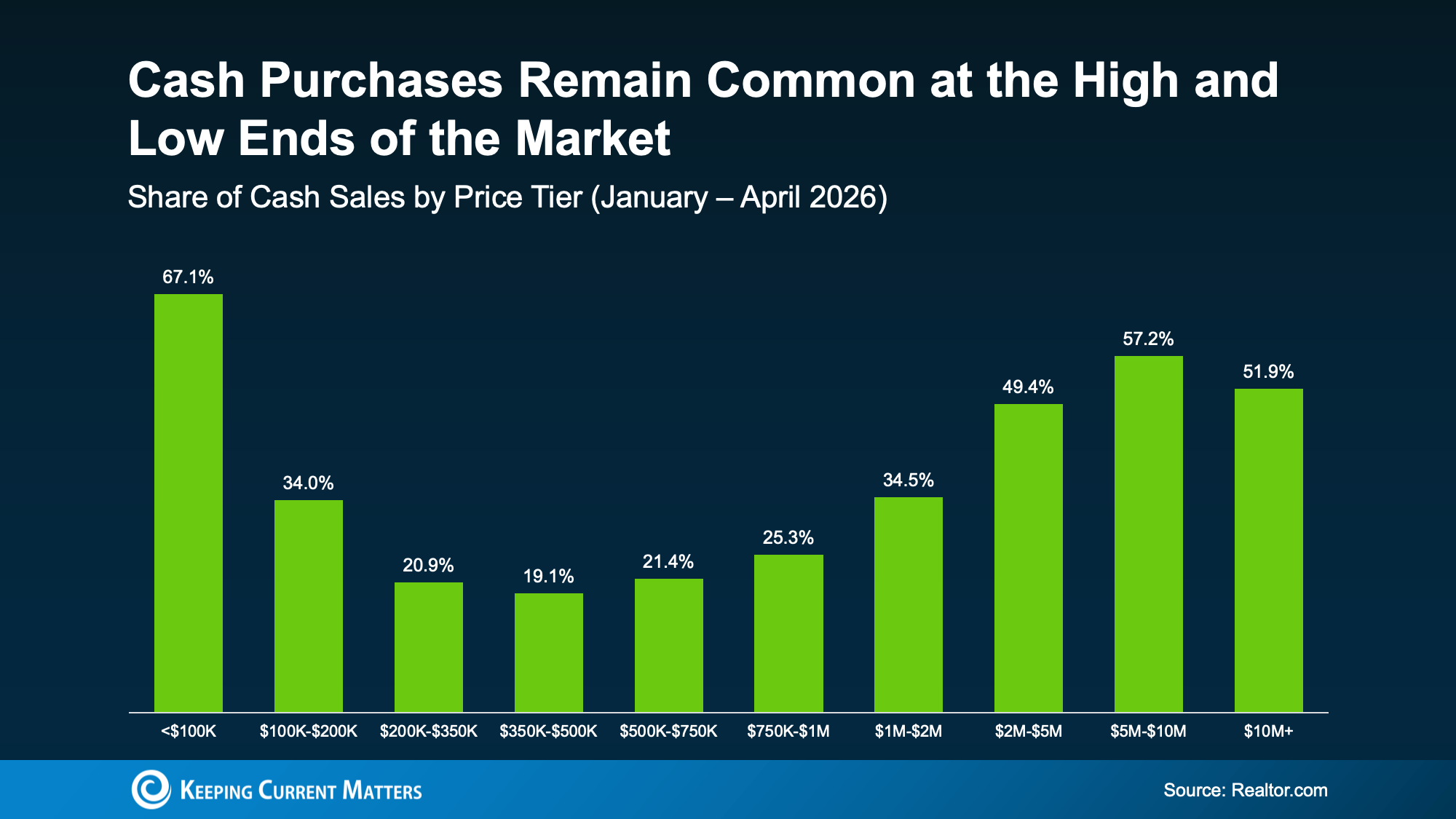
Cash purchases as a share of sales within each price tier, January-April 2026. Source: Realtor.com.
For buyers, an offer without a financing contingency may appeal to sellers and support a faster closing or stronger negotiating position. Other contingencies still matter.
For sellers, cash reduces financing risk but does not guarantee closing. Compare price, proof of funds, timing, and contingencies. A lower cash offer may not be your strongest option.
Financed Buyers Can Ask About Seller Concessions
As always, mortgage costs remain a top concern, especially for first-time buyers. In Fannie Mae’s Q3 2026 survey, 48% of respondents to the rate-outlook question raised their long-run expectations. But keep in mind that this is only a forecast.
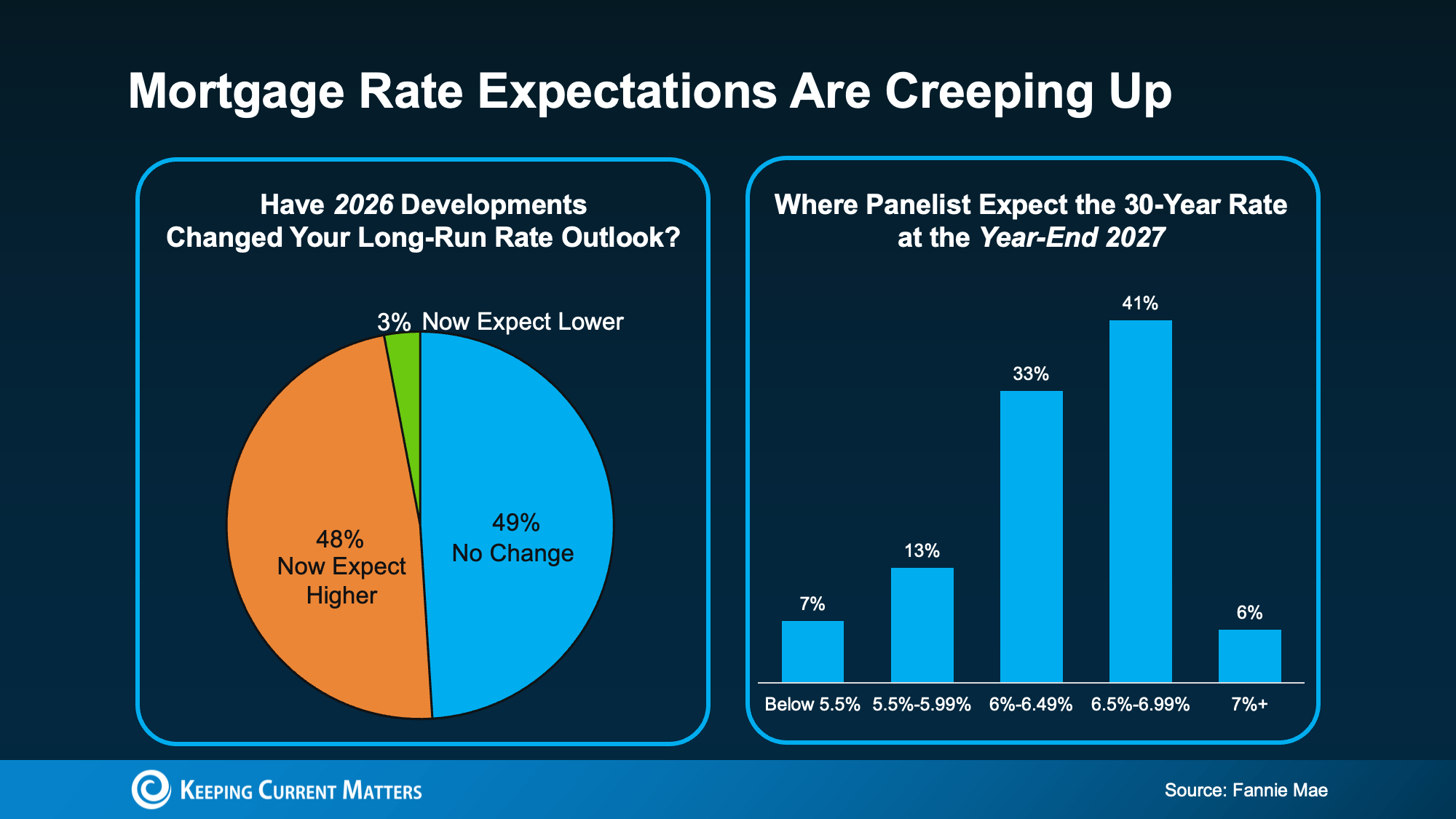
Expert expectations from the August 5-14, 2026 survey, including a forecast for year-end 2027. These are opinions, not observed future rates. Source: Fannie Mae.
Whether rates continue to rise or not, help for buyers may still be available. Redfin reported seller concessions in roughly 46% of transactions in its sample for the three months ending May 31, 2026. These included closing-cost assistance, repairs, and mortgage-rate buydowns.
Buyers can ask their agent and lender which concessions could help within their loan-program limits. Evaluate your full housing payment and available savings instead of relying on a future rate drop.
Sellers can plan for possible concessions when setting a price and estimating net proceeds from their sale.
Homeowners With Low Rates May Be Reluctant To Move
In Q1 2026, 66.7% of outstanding mortgages had rates below 5%, according to FHFA data summarized by Realtor.com. Giving up a lower rate for a higher one can often discourage a move, creating the mortgage rate lock-in effect seen in many markets today.
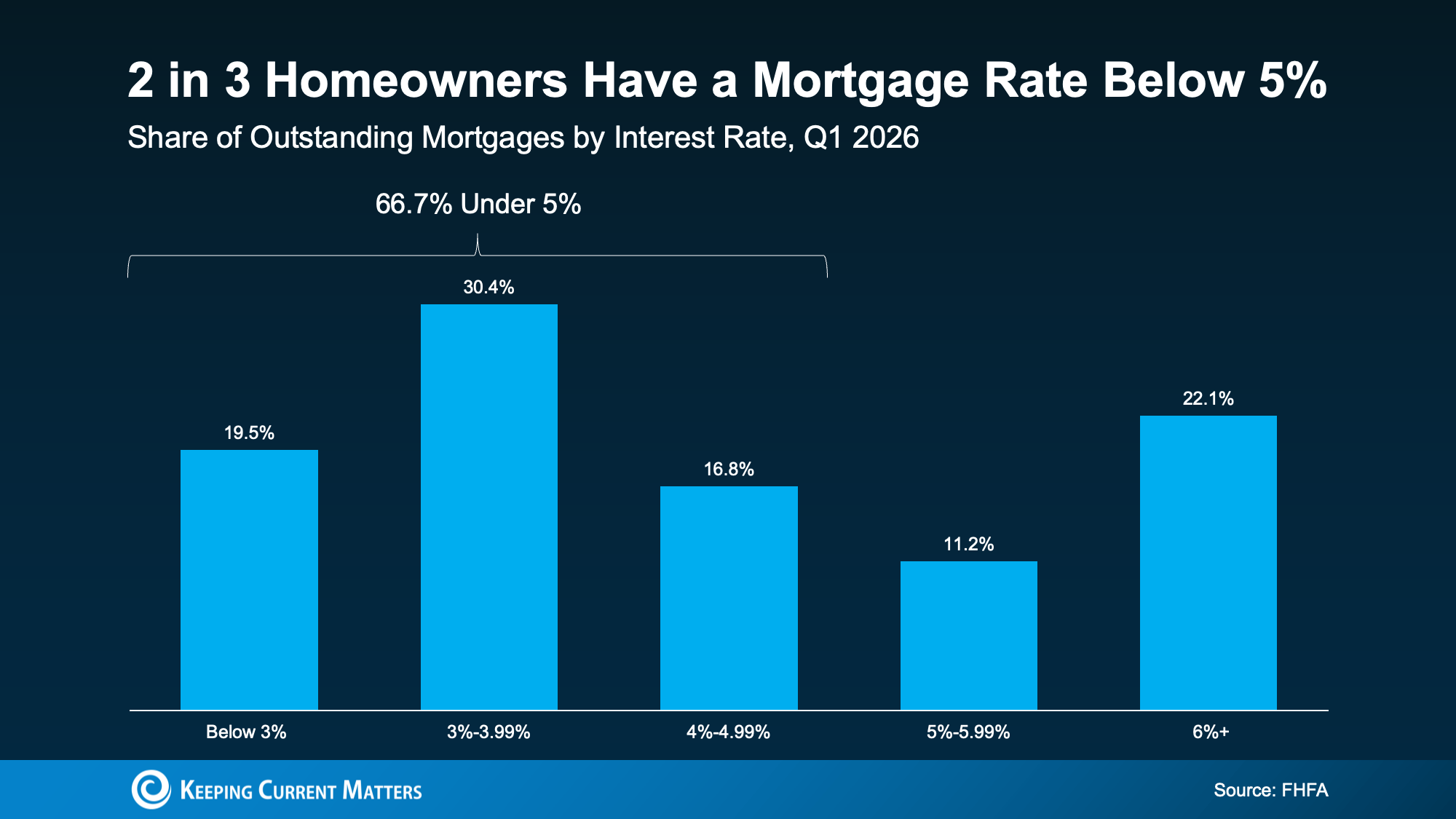
Q1 2026 distribution of outstanding mortgages. The 66.7% figure measures loans, not all homeowners; owners without mortgages are excluded. Source: FHFA.
In the Fannie Mae survey, most respondents expected lock-in to stop being a major constraint on existing-home sales in three to five years. However, it’s possible that certain owners may move sooner as their needs change.
Buyers may encounter sellers with pressing reasons to move, but motivation and flexibility always vary.
Sellers should compare their equity and next-home costs before ruling out a move. With an FHA or VA loan, ask the servicer about an assumption, which lets an approved buyer take over eligible loan terms. Review approval requirements, the gap between the sale price and loan balance, and release of liability. VA sellers should also ask how an assumption affects their remaining loan entitlement.
Builders May Offer Price Cuts and Incentives
The initial Census estimate for July 2026 showed 9.6 months of new-home supply, or nearly 10 months. The September 24 release revised July to 9.0 months and reported 8.5 months for August. This inventory includes homes at different construction stages, not just completed homes waiting for buyers.
Buyers should bear in mind that builders may offer price reductions or rate buydowns to attract attention. Work with your own agent and a lender to compare the total price, incentive conditions, and ongoing payment, including payments after any temporary buydown ends.
Sellers competing with new construction can highlight features like mature landscaping and an established neighborhood. Confirm your availability date before emphasizing timing; some new homes are already move-in ready.
How These Types of Housing Markets Affect Your Move
The four market types, cash buyers, financed buyers, locked-in owners, and builders, each run on their own set of rules. If you’re planning a move, familiarize yourself with the market you’re in and the best way to navigate it based on your situation.
Start with your budget, timing, and local inventory. Connect with a local CENTURY 21 Affiliated agent to compare available homes, evaluate offers, and plan your next steps. Consult a qualified lender or financial professional about financing choices.