Facebook
 X
X
 Pinterest
 Copy Link

Locking in a lower mortgage rate can make a home purchase more manageable. And while you can’t control your rate, your credit profile, loan choices, and the homes you consider can influence the financing available to you.
If the recent rises in rates have you wondering whether to wait, start by reviewing those three areas with a trusted loan officer. Instead of focusing on the rate itself, consider your budget and the long-term cost of borrowing and repayment.
Why Mortgage Rates Have Risen in 2026
Mortgage rates have been creeping up ever since the start of the year. Of course, rates still fluctuate from day to day, so it’s been a slow upward trend rather than a constant climb.
Economic data, inflation, oil prices, conflicts overseas, and Federal Reserve decisions can all affect borrowing costs. The most significant recent factor is the Fed’s increase of its benchmark rate on September 16, 2026. The Fed doesn’t set mortgage rates, but its target interest rate does tend to influence mortgage rates indirectly.
In a September 16 report, Realtor.com Chief Economist Danielle Hale explained:
“The pressure on mortgage rates was here even before the Fed rate hike, and it doesn’t show signs of relenting. . .”
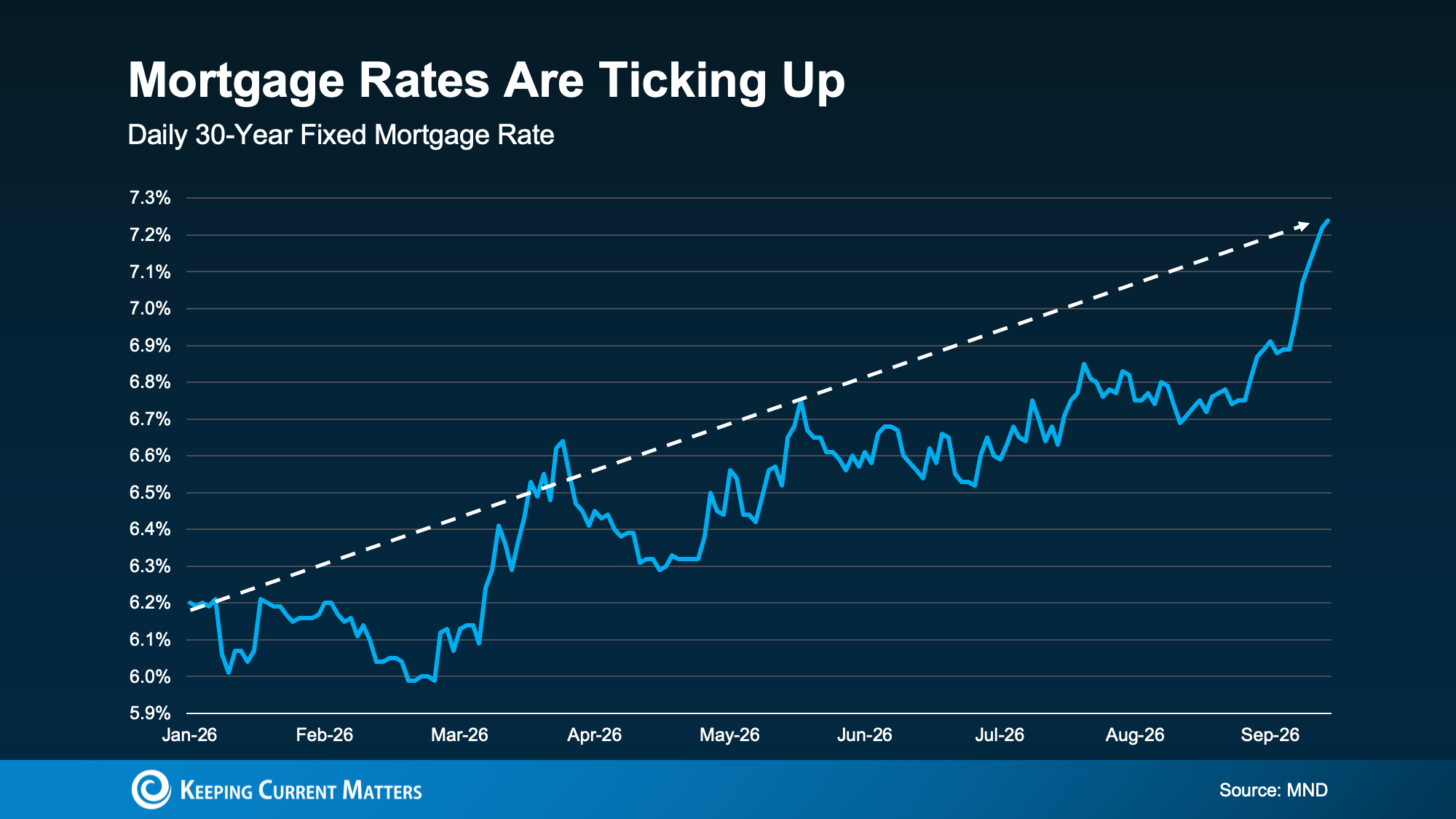
Daily 30-year fixed mortgage rates, January–September 2026. This is a historical snapshot, not a personalized quote. Source: Mortgage News Daily.
1. Build Your Credit for a Lower Mortgage Rate
Your credit score helps lenders assess how likely you are to repay a loan. Even a modest improvement can affect your monthly payment, but it’s not always guaranteed. Freddie Mac explains:
“Generally, the higher your credit score the more options will be available to you, including better loan terms and a lower interest rate.”
Review your credit reports for errors, keep payments current, and discuss outstanding balances or new credit applications with your loan officer. If you’re not sure where your credit stands, ask which steps could help before you apply for a home loan.
2. Compare Loan Types Terms and Lenders
Conventional, FHA, VA, and USDA loans have different eligibility requirements and pricing. The repayment term also matters: a 15-, 20-, or 30-year loan changes both your monthly payment and total interest cost.
A fixed-rate mortgage keeps the same interest rate throughout the loan. An adjustable-rate mortgage, or ARM, often starts with a lower introductory rate that can change later. Bankrate explains:
“. . . rates on fixed-rate loans are typically higher than introductory rates on adjustable-rate loans because the fixed-rate lender takes on the risk that rates could increase during the loan’s term. Likewise, government-backed FHA, VA and USDA loans sometimes have lower rates because they have a government guarantee or insurance that cuts the lender’s risk.”
Ask multiple lenders for comparable Loan Estimates and review the fees, mortgage insurance, cash needed at closing, and total monthly payment. Include property taxes and homeowners insurance in your budget. Keep in mind that the lowest quoted interest rate might not produce the lowest overall cost.
For an ARM, ask when adjustments begin and what the maximum payment could be. Compare that payment with your current budget rather than assuming you’ll refinance before it rises. A lender can help you weigh each option against your ideal budget and long-term goals.
3. Ask About New Home Financing Incentives
Many builders use mortgage buydowns to attract buyers and sell newly built homes. Ask whether an offer reduces the interest rate for the loan’s entire term or only provides a temporary payment subsidy. A temporary buydown reduces payments early on without changing the underlying mortgage rate.
For Q2 2026, Realtor.com reported average mortgage rates of 5.85% for newly built homes and 6.47% for existing homes. Those are national averages and don’t apply to every market, but they do illustrate a national trend.
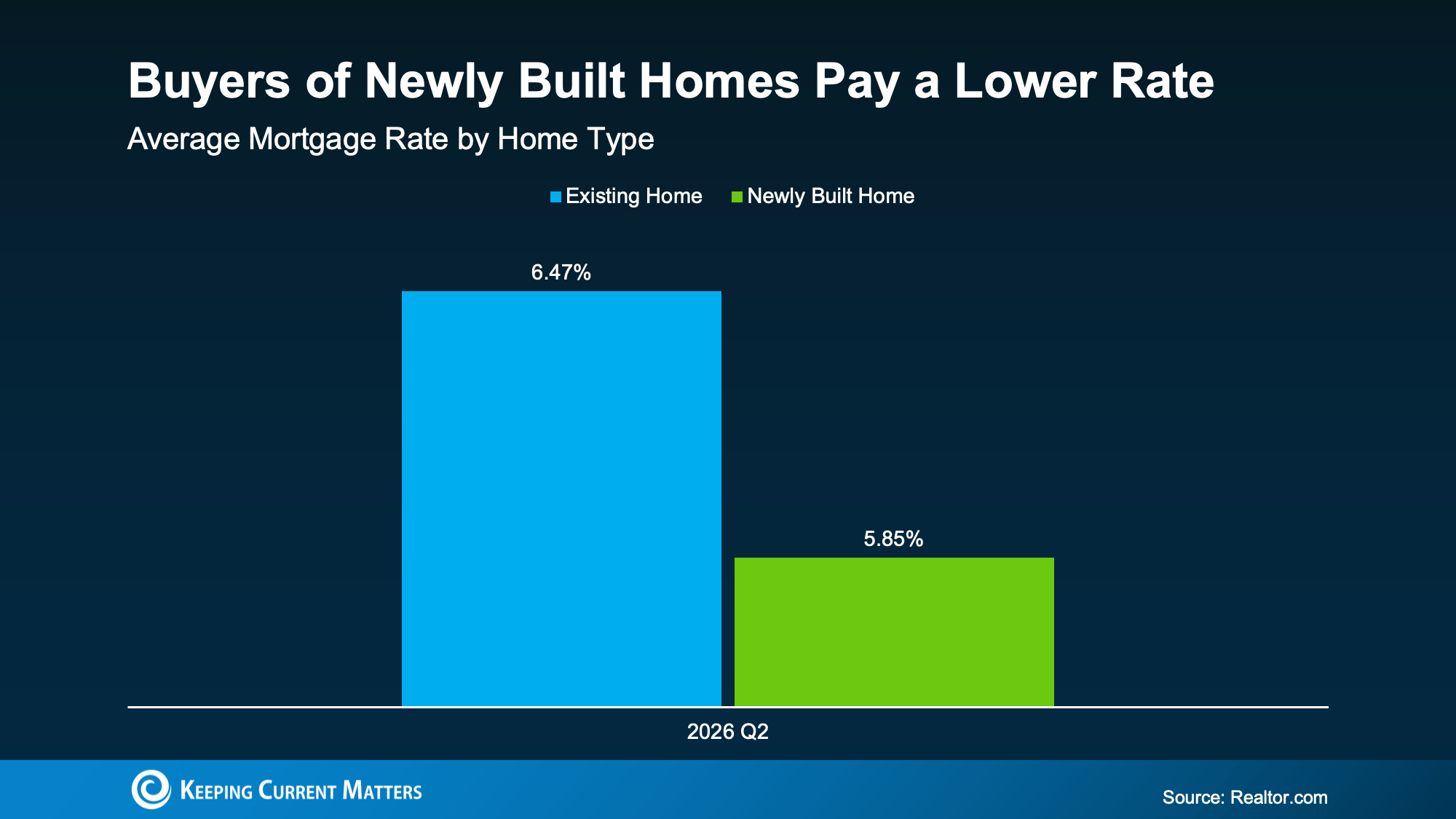
Reported average mortgage rates in Q2 2026: 6.47% for existing homes and 5.85% for newly built homes. Source: Realtor.com.
Ask your agent about local new-home communities offering incentives. Have the lender explain the payment after any temporary subsidy ends, required lender arrangements, and other eligibility conditions. Compare the home’s price and total financing costs alongside the advertised rate.
Plan Your Purchase Around the Full Payment
You may not be able to control interest rates, but there’s plenty you can do to position yourself for the best rate possible. Work on your credit, compare mortgages, and consider homes with financing incentives. A trusted loan officer can help you evaluate the offers you qualify for and discuss rate-lock terms before you commit.
Connect with a local CENTURY 21 Affiliated agent to compare homes within your budget, explore available new-construction incentives, and coordinate your next steps with a lender.