

 Facebook
 X
X
 Pinterest
 Copy Link
Can You Buy a Home in 2025 Without Waiting for Lower Rates?
Like many homebuyers, you may be waiting for rates to drop before you finally buy a home this ...
Read More 
If you’re in the market for a home in Wisconsin, you may have heard of FHA loans, or Federal Housing Administration loans, as a financing option. These government-backed loans are a popular choice for first-time homebuyers and those with less-than-perfect credit. In this guide, we’ll break down everything you need to know about FHA loans in Wisconsin, along with benefits and requirements of state-specific programs that can help you achieve your dream of homeownership.
FHA loans are mortgages insured by the Federal Housing Administration (FHA) and are designed to make homeownership more accessible, especially for Americans who may not qualify for a traditional mortgage or other loans. This reduces the risk for lenders and allows them to offer lower down payments and more lenient credit requirements. This also makes FHA loans particularly appealing to first-time buyers or those with limited savings.
Here are a few ways that FHA loans stand out from other options:
These are just a few ways FHA loans can help homebuyers overcome financial barriers and make homeownership a reality for more Americans. With lower credit score requirements and lower down payments, it’s an easier pathway to securing a loan and finally owning a house.
As of February 2025, the average interest rate for a 30-year fixed FHA loan in Wisconsin is 6.24%, with an APR of 6.92%. These rates are slightly lower than conventional loan rates, making FHA loans a more cost-effective option. However, rates vary depending on your credit score, the lender, and the loan type and length, so always explore your options and compare offers when possible.
To qualify for a FHA home loans in Wisconsin, several key criteria must be met to ensure that potential borrowers are financially stable and capable of repaying their loan. Most notably, applicants need to demonstrate a reliable employment history and income.
Here’s a summary of the main eligibility criteria:
By meeting these requirements, you better position yourself for loan approval. It can also simplify the loan process, making it smoother and preventing potential setbacks or delays.
Applying for FHA home loans in Wisconsin is straightforward but involves several basic steps. Borrowers should start by researching and comparing various FHA-approved lenders to find the best loan terms and secure the best deal.
After selecting a lender, borrowers complete the FHA loan application process. This process may vary between lenders, but should follow the same general steps. Here’s an overview of the major stages involved:
Certain areas in Wisconsin may offer programs that can make FHA loans even more affordable. These programs are most common in larger metropolitan areas like Madison and Milwaukee, but some are available statewide through the Wisconsin Housing and Economic Development Authority (WHEDA). Here are a few options to explore if you’re planning to buy a home in Wisconsin:
FHA loans are an excellent choice for hopeful homebuyers, especially first-time buyers or those with limited savings. By combining the benefits of FHA loans with Wisconsin-specific programs like WHEDA’s down payment assistance, you can make your dream of homeownership a reality. Whether you’re buying in Milwaukee, Madison, or a smaller town, understanding the FHA loan process and available resources will help you make informed decisions and secure the best deal for your new home.
If you’re ready to take the next step, start by finding an FHA-approved lender and exploring the down payment assistance programs available in your area. With the right preparation, you’ll be well on your way to owning a home in the beautiful state of Wisconsin!
Ready to buy but not sure how to secure a loan? Reach out to us today for help finding a qualified lender that works for you.

Let’s face it: buying a home can feel like a challenge with today’s mortgage rates. You might even be thinking, “Should I just wait until spring when more homes hit the market and rates might be lower?”
But here’s the thing, no one knows for sure where mortgage rates will go from here, and waiting could mean facing more competition, higher prices, and a lot more stress.
What if Buying a home before spring might actually give you the upper hand? Here are three reasons why that just might be the case.
The winter months tend to be quieter in the real estate market. Fewer people are actively looking for homes, which means you’ll likely face less competition when you make an offer. This makes the process feel less rushed and less stressful.
According to the National Association of Realtors (NAR), homes sit on the market longer in winter compared to spring and summer (see graph below):

Fewer buyers in the market means you’ll likely have more time to make thoughtful decisions. It also means you may have more negotiating power. According to the Alabama Association of Realtors:
“A significant benefit of buying a home in winter is the reduced competition. Because of the perceived benefits of spring, many buyers delay the start of their house hunt. As a result, you will find fewer people competing for the same properties during winter. Less demand can translate into more negotiating power as sellers may be more willing to entertain offers or agree to concessions to get a deal closed quickly.”
With homes staying on the market longer, sellers may be more willing to negotiate. This can lead to better deals for you as a buyer, whether that means a lower price or added incentives, like sellers covering closing costs or making repairs. As Chen Zhao, an Economist at Redfin, points out:
“. . . buying during the off season means less competition from other buyers. That means potentially negotiating a better deal.”
Plus, when demand is lower, sellers often feel more pressure to work with serious buyers. This could give you an edge to negotiate terms that work best for your situation.
3. Lock in Today’s Prices Before They Rise
Historically, home prices tend to be at their lowest point in the winter months, too. According to data from NAR, home prices last year were at their lowest in January, February, and March — right before the spring buying season kicked in (see graph below):
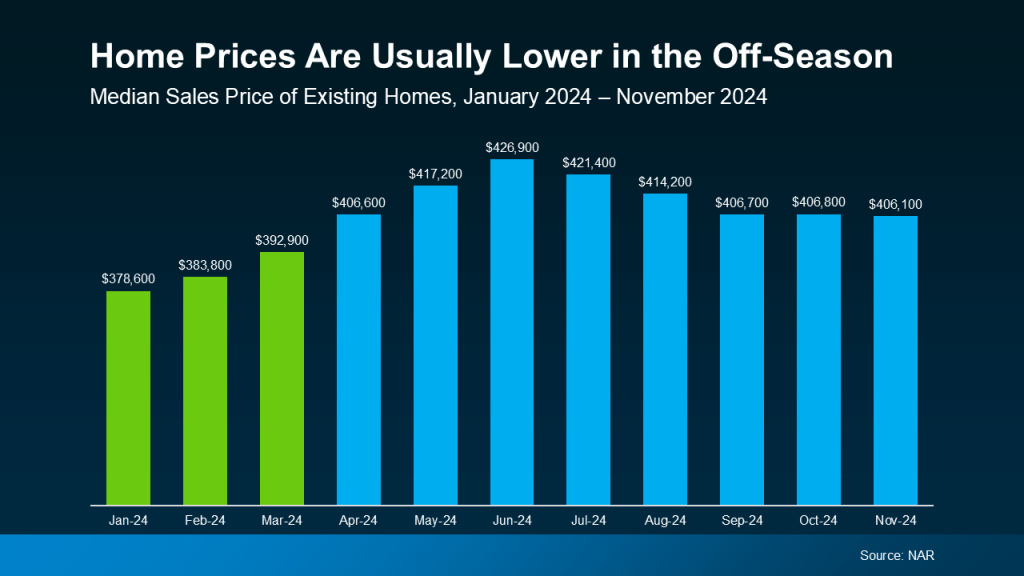
This trend isn’t new — Bright MLS shows between 2010 and 2024, home prices in January and February were, on average, 15% lower than during the month of peak home prices (typically June). Buying in the off-season means you’re more likely to avoid paying the premium prices that come with the high demand of spring.
On top of that, home prices generally appreciate over time, meaning they tend to go up year after year. That means if you’re ready to buy and you can make it happen, you’re not only taking advantage of what might be the lowest prices of the year, but you’re also locking in today’s price before it increases in the future.
While spring may seem like the obvious time to buy, moving before the peak season can give you significant advantages, like less competition, more negotiation power, and lower prices.
Start your home buying journey by visiting our Property Search page.







The process of closing on a house is the final stretch before home ownership is transferred and the property becomes legally yours. If you’re a new homebuyer, the closing process and its various steps can be confusing and intimidating. This short guide will outline the home closing process and help simplify your final steps to home ownership.
The closing process can vary from transaction to transaction but generally tends to follow the same basic milestones. Here are 10 major steps of the closing process you’ll need to follow to complete your home purchase.
The closing process typically begins when the seller accepts your offer to purchase the home. This agreement sets the terms, including the purchase price and any contingencies.
Escrow plays a pivotal role in the real estate closing process. An escrow account is established to hold funds and documents until the transaction is finalized. This account is managed by a neutral third party, such as an escrow agent or title company, which also manages the transfer of the property title.
A title search ensures the property is free of liens or ownership disputes so you can be sure you’re buying a home with a clear title. Meanwhile, title insurance protects you from future claims against the property and covers legal costs if past owners have unresolved claims. Together, a title search and insurance provide a buyer with legal safeguards and extra peace of mind during the closing process.
Hire a professional inspector to evaluate the property’s condition. Address any issues identified during the inspection by negotiating repairs or price adjustments with the seller. While costly, this will save you from any unexpected repairs and expenses after closing.
Work with the seller to determine who will cover specific closing costs, which may include loan fees, appraisal fees, and title insurance. Always review your settlement statement thoroughly to understand what costs you’re responsible for and if any are negotiable.
Finalize your mortgage by submitting required documents, locking in your interest rate, and obtaining loan approval. Ensure you receive a Loan Estimate and Closing Disclosure from your lender. Timelines for a mortgage approval can vary, so stay in constant communication with your lender to monitor progress and respond promptly to any additional requests they make.
Carefully review the Closing Disclosure (or settlement statement), which outlines the final loan terms and closing costs. Pay special attention to any discrepancies in loan terms or fees to avoid unexpected expenses in the future. Verify all details are accurate and address any remaining issues immediately.
Perform a final inspection of the property within 24-48 hours before closing. Confirm the property is in the agreed-upon condition and that all negotiated repairs have been completed. Following a walk-through checklist can be a convenient way to personally check each area of the home ands its condition.
At the closing meeting, sign all necessary documents, including the deed, mortgage, and promissory note. Pay the remaining closing costs and down payment. Address any potential closing delays, such as remaining problems from the title search or home inspection.
Once all documents are signed and funds are transferred, the title is recorded, and ownership officially transfers to you. You’ll receive the keys to your new home and will finally be ready to begin moving in. Congratulations!
With the closing transaction complete, it’s time to enjoy your new home! Before putting your closing behind you, take care of any post-closing responsibilities you may still have to a third party other than your lender. Next, you’re ready to begin your transition into the next step of your journey as an official new homeowner.
Interested in closing on a house or making that first leap into home ownership but unsure where to start? Contact us today to connect with an expert real estate agent for help on your homebuying journey, or start a property search in your local area now.

Updated July 2026
Janesville, Wisconsin, serves as a hub for South Central Wisconsin, offering a strong mix of housing options, local history, and abundant green space. Known as “Wisconsin’s Park Place,” the city boasts over 2,500 acres of parkland and 64 improved parks, making it a highly desirable location in the Wisconsin housing market.
Whether you’re looking for historic urban charm, a suburban setting with larger yards, or quick access to local parks and shopping, Janesville’s housing market has a variety of living destinations to offer. Here are five of the most popular neighborhoods to consider when looking for a home in Janesville, WI.
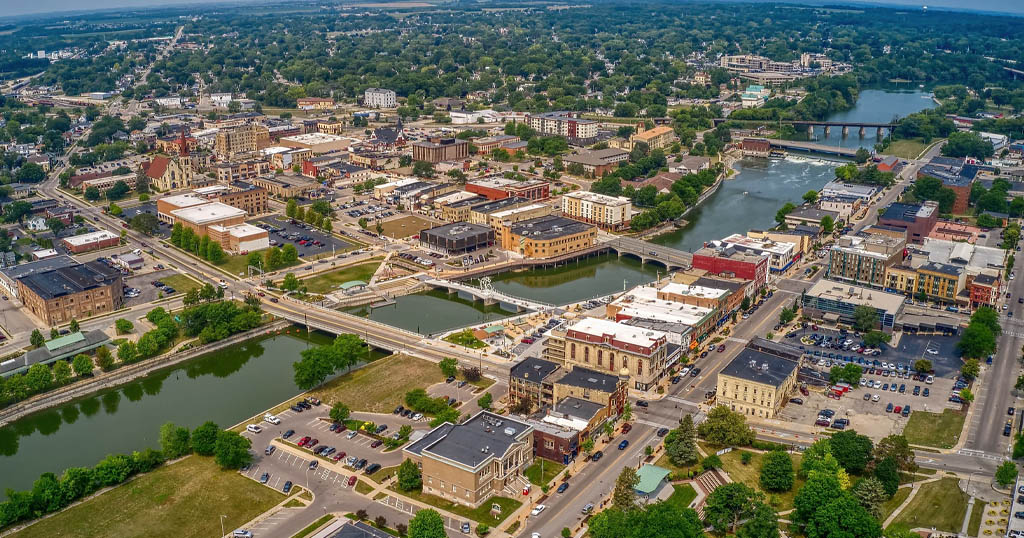
Located east of the Rock River near downtown, Courthouse Hill is one of Janesville’s most recognizable historic residential districts.
The Courthouse Hill Historic District was added to the National Register of Historic Places on January 17, 1986. Properties in the district represent multiple periods and architectural styles, with surviving homes dating to the mid-1800s and later. Examples include Greek Revival, Italianate, Queen Anne, and early 20th-century revival-style homes.
Courthouse Hill’s location provides access to downtown businesses, the Rock River, cultural attractions, and Lower Courthouse Park. The Marvin Roth Community Pavilion in the park continues to host seasonal programming. In 2026, the city scheduled the free Music at the Marv concert series there on Tuesday evenings from June through August.
Key Amenities: Close proximity to downtown shopping, local restaurants, and the Rock County Historical Society.
Housing Style: Grand, historic properties with unique 19th-century architecture.
Parks & Recreation: Home to Courthouse Park, a 3-acre public space that hosts live music in the summer and community events year-round.
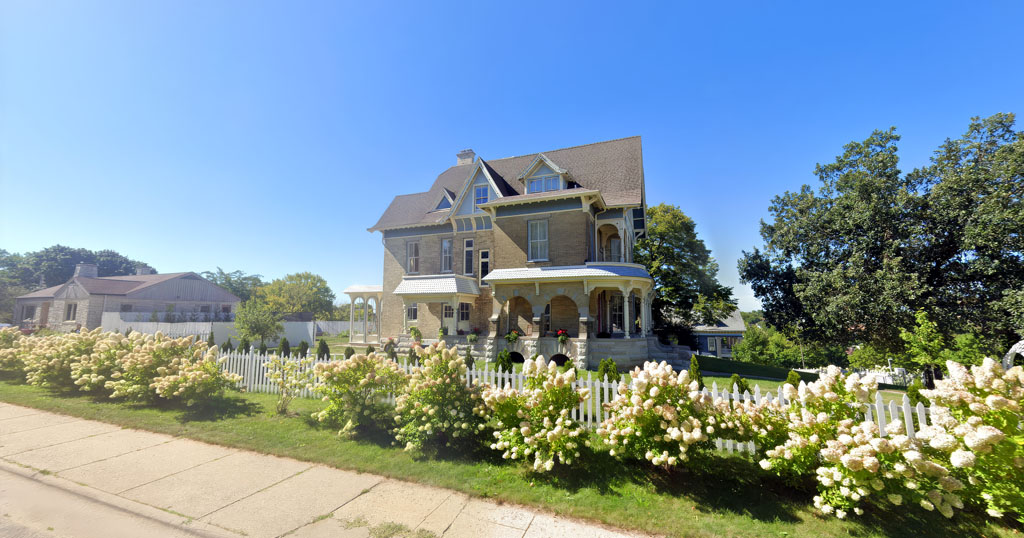
Located just across the Rock River from Courthouse Hill is the Old Fourth Ward. One of Janesville’s oldest residential areas, it includes portions of the early Rockport and Monterey settlements.
The Old Fourth Ward Historic District was added to the National Register of Historic Places on May 30, 1990. The Wisconsin Historical Society describes it as a relatively dense residential district containing more than 1,000 buildings, many of which are small- to medium-sized examples of vernacular architecture constructed as the area developed between the 1850s and 1890s.
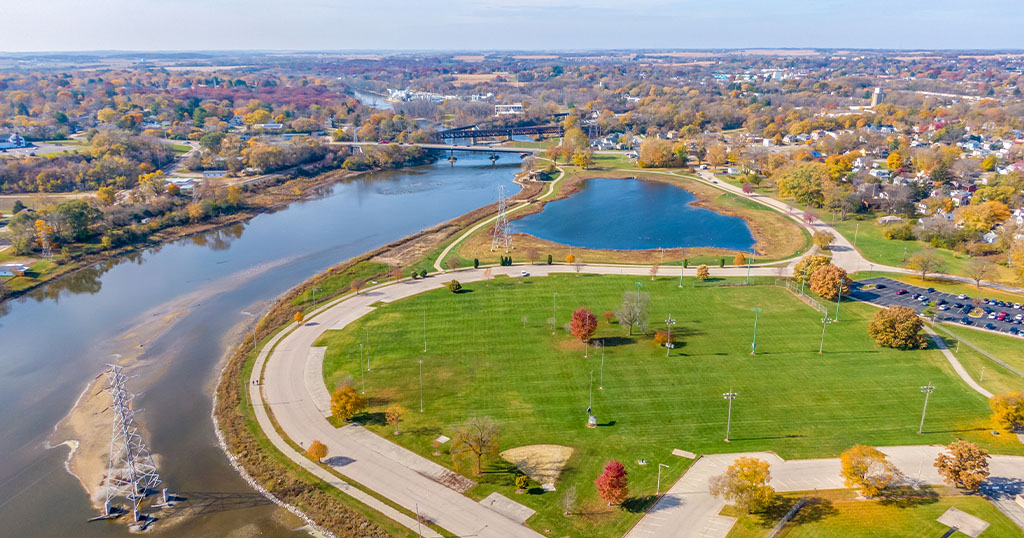
Rather than a single formal neighborhood, Janesville’s “East Side” generally refers to the residential areas east of the Rock River. As such, its housing options can widely vary depending on a property’s exact location.
Areas closer to central Janesville include established homes and traditional street patterns, while locations farther east include growing subdivisions and newer housing. The city’s adopted comprehensive plan continues to guide land use, housing, transportation, and future development of the east side and beyond.
Despite being a growing and more generally defined area, the East Side offers several attractions and amenities. For the nature-inclined, the Rotary Botanical Gardens occupies 20 acres and features 26 distinct garden styles with approximately 4,000 plant species. For families, the Janesville Youth Sports Complex is a 90-acre facility with baseball and softball fields, football fields, soccer fields, parking, restrooms, and concession areas.

Located on a bluff along the west bank of the Rock River, the Look West Historic District offers a distinct combination of residential history and easy urban access. This neighborhood formed within Janesville’s original First Ward, and its development reflects the city’s early ties to the river, rail transportation, manufacturing, and commerce. Today, it contains 15 blocks of historic properties and is recognized as one of Janesville’s historic residential districts.
State historical records identify contributing Look West properties within a National Register boundary increase listed in December 1993. Surviving architecture includes Queen Anne, Italianate, Greek Revival, and simpler homes originally constructed for local workers and tradespeople.
Look West is close to the Lincoln-Tallman House, downtown Janesville, the Rock River, and community events held in the central city. Local walking tours continue to explore the neighborhood’s architecture and its connection to the Tallman family and Janesville history.
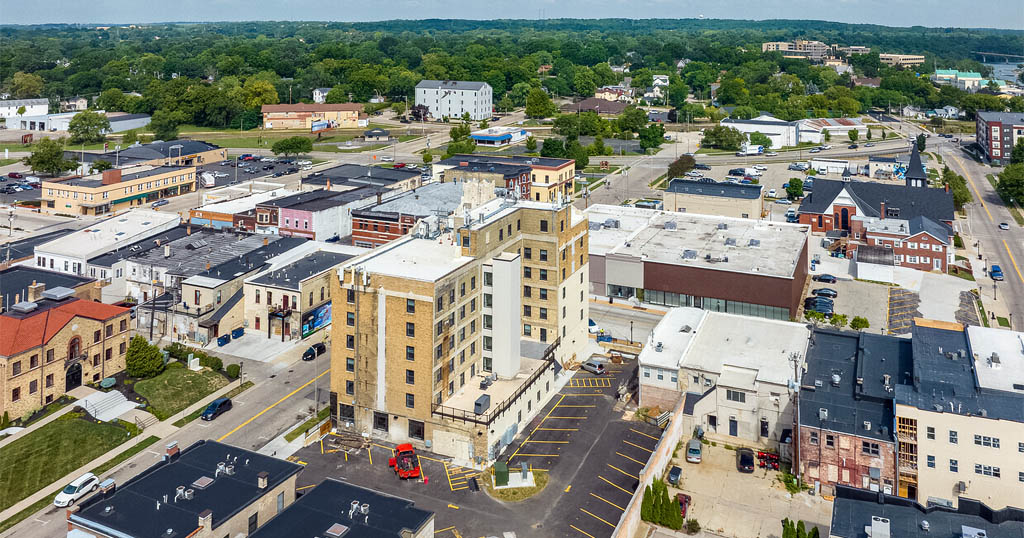
Like the East Side, Northeast Janesville is more of a general geographic area than a formal neighborhood. It includes established postwar residential areas as well as newer subdivisions and commercial development near Milton Avenue, Wright Road, Highway 14, and Interstate 39/90. The Northeast area has seen steady growth, attracting buyers interested in modern amenities and low-maintenance living.
One of the area’s major outdoor amenities is Sheiffer Park, an 87-acre property formerly known as Northeast Regional Park. For shopping, the area includes Uptown Janesville Mall, formerly known as Janesville Mall, on Milton Avenue. In 2025, the mall welcomed the opening of the Woodman’s Sports & Convention Center, a connected 140,000-square-foot facility including an ice rink, multipurpose arena, courts, and conference space.
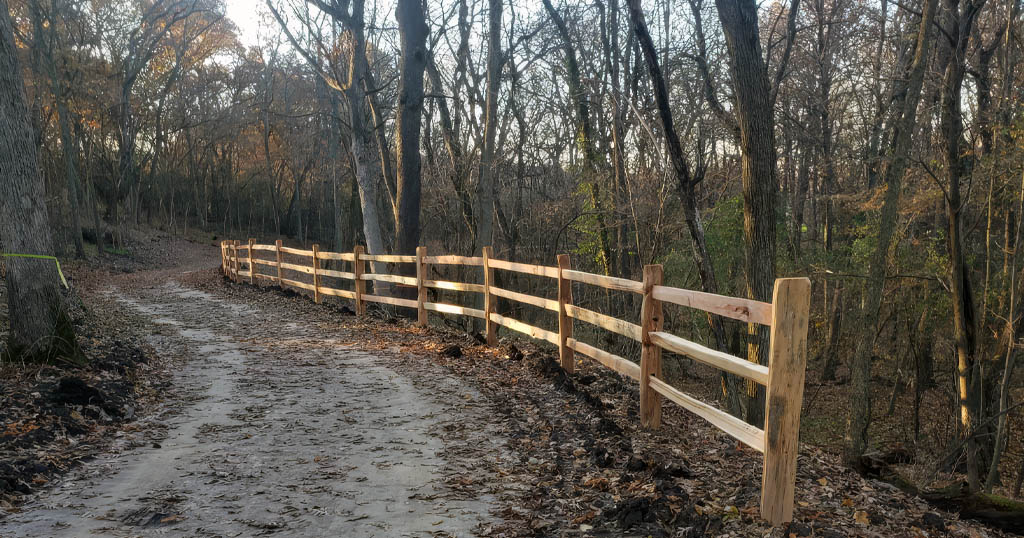
Janesville’s nickname, “Wisconsin’s Park Place,” speaks to a dedicated park system that nurtures neighborhood parks, regional recreation areas, greenbelts, open spaces, and trails. The Janesville Area Convention and Visitors Bureau identifies 13 historic districts and more than 50 pieces of public art throughout the community. And while this guide lists five popular neighborhoods, it’s in no way exhaustive of the many housing options the city offers.
But Janesville isn’t just a place to buy a house; it’s a growing community where you can plant roots. The city is known for its extensive parks system, plentiful recreational opportunities, and a thriving arts scene. Janesville’s neighborhoods reflect the city’s dedication to providing a high-quality life for its residents, and there’s plenty more to discover and love about Wisconsin’s Park Place.
Over the three months ending in May 2026, the median Janesville home sale price reported by Redfin was approximately $288,000, up 6.8% from the corresponding period one year earlier. Homes averaged 47 days on the market. These are citywide figures and don’t describe every neighborhood or predict the value, competition, or selling timeline of an individual property.
Prices and market activity can differ by location, property type, condition, lot size, updates, and available inventory. Buyers and sellers should review current MLS data with a local real estate professional rather than relying on citywide averages alone.
Ready to start your Janesville home search? Browse current homes for sale or contact CENTURY 21 Affiliated for help comparing properties throughout Courthouse Hill, Old Fourth Ward, Look West, the East Side, Northeast Janesville, and other parts of the city.

© 2026 CENTURY 21 Affiliated
©2025 . All rights reserved. CENTURY 21®, the CENTURY 21 Logo and C21® are service marks owned by Century 21 Real Estate LLC. Century 21 Real Estate LLC fully supports the principles of the Fair Housing Act and the Equal Opportunity Act. Each office is independently owned and operated.
This information is deemed reliable but not guaranteed. You should rely on this information only to decide whether or not to further investigate a particular property. BEFORE MAKING ANY OTHER DECISION, YOU SHOULD PERSONALLY INVESTIGATE THE FACTS (e.g. square footage and lot size) with the assistance of an appropriate professional. You may use this information only to identify properties you may be interested in investigating further. All uses except for personal, noncommercial use in accordance with the foregoing purpose are prohibited. Redistribution or copying of this information, any photographs or video tours is strictly prohibited. This information is derived from the Internet Data Exchange (IDX) service provided by San Diego MLS. Displayed property listings may be held by a brokerage firm other than the broker and/or agent responsible for this display. The information and any photographs and video tours and the compilation from which they are derived is protected by copyright. Compilation © 2025 San Diego MLS.
Contact Information: CENTURY 21 Affiliated • Nikki Coppa • CA Department of Real Estate - CA DRE #01897784 • 2020 CAMINO DEL RIO NORTH #800, SAN DIEGO, CA 92108 • (619) 471-2000
